

 Dementia Support Line
Managing money as a person with dementia
Managing your own money can be an important part of keeping independent. It can be helpful to think about managing your money before your dementia progresses, and how you will continue to manage it in the future.
- You are here: Managing money as a person with dementia
- Support with managing your money
- Managing finances for people with dementia
Staying in control of your own finances
When you have dementia you may find that you have problems with memory, thinking and concentration. This can make some aspects of dealing with money difficult.
You might, for example, forget to pay bills or find it hard to work out how much money you need to pay for something while shopping.
With a little preparation, you can make changes to the way you manage money that will support you to continue managing your own finances for as long as possible.
Finding the right payment method for you
Due to technology, there are more ways to pay for things than there used to be. It’s important to find the payment methods that work best for you.
Using your bank card
If you think you will find it hard to remember the PIN number for your card, talk to your bank. They may suggest you use a ‘chip and signature’ card so that you can sign your name instead. If you find it hard to write your signature, some banks can give you a card that identifies you in other ways, such as a photo card.
Contactless bank cards can also be a good option. However, it might not be a good idea if you often misplace things. It would be easy for another person to use your contactless card, so you need to be careful not to lose it. If you do lose your card, call your bank straight away to cancel it.
Many people now make contactless payments using a smart device, such as a mobile phone, tablet or watch. These options won't be suitable for everyone. If you would like to use a smart device to make contactless payments, talk to your bank. Make sure you’re happy about how it works and that it is secure. It is often possible to set up voice or fingerprint recognition on your device for an extra check.
Keep an emergency cash supply
It can be useful to keep a small amount of cash in a safe place at home. Sometimes, you might misplace your bank card or forget your PIN. In these situations, it can take around a week to get a new card. So having some cash for these urgent situations can be helpful to make sure you can buy the things you need until your new card comes.
Using cash
If you prefer to use cash, try the following suggestions to make using cash easier:
- Work out how much money you will need for a week. Take that amount out from the bank or a cash machine on the same day each week. You can usually select to receive a receipt when you do this.
- Start a ‘cash book’ to note how much cash you’ve taken out from your account and how much you’ve spent. This will be a record for you to look back on. You can use an ordinary notebook or buy a special one that is laid out with lines and columns to help you list the amounts you spend. You can get these from stationery or online shops.
- Change notes into coins or smaller notes. You might prefer to use small amounts of cash to buy the same items each week, such as milk or a newspaper. You can keep this cash organised by putting it into separate bags or envelopes and labelling them.
Using direct debits and standing orders
A direct debit is an instruction to your bank to automatically pay an amount of money you owe. You can set up a direct debit to pay most regular bills. You may find it helpful to set up a direct debit because it means you don't have to deal with the payments each time.
Most companies will tell you how much they are going to take before they collect it. Always make sure you have enough money in your account before the direct debit is due to leave. If the amount you need to pay regularly changes, as with utilities bills, a direct debit will automatically charge you the correct amount. Some companies will charge you less if you pay by direct debit.
A standing order is similar to a direct debit, but it is an instruction to your bank to regularly pay a fixed amount. You may find it useful to set up a standing order to pau amounts that don't change very often, such as your rent.

Managing your bank account
You might have your own bank account or you might have a joint account with someone else. Having a joint account with someone you trust can be a useful way of getting extra support.
On the other hand, it could be easier to keep track of your money if your pension, salary or benefits are paid directly into your own account and your payments go out from the same account.
Having your own bank account can also make it easier to manage your money when it comes to paying for care. This is because a local authority should only look at how much money the person receiving the care has. They should not look at how much money their partner or other family members have. This is known as 'means testing’.
It is a good idea to check your bank statements regularly. Ask someone you trust to help you with this if you want. Your bank will usually send you statements online or on paper, or both. Choose whatever is best for you.
Controlling your spending
You may be worried about spending too much money by mistake or you might want to keep within a strict budget. You can ask your bank to put a limit on what you can spend on your debit card. Any credit cards you use will already have a limit but you can ask to lower it.
Another option could be using a prepayment card which works as a ‘pay as you go’ arrangement. You get a card which you can load with a set amount of money from your bank account or cash and can only spend up to that amount. It is important to know that there will usually be fees for this sort of card.
Spending support from Sibstar
Alzheimer’s Society helped to develop a product called Sibstar which operates like a prepayment card. There are also other functions you can use via an app on your phone that can help you control your spending
Keeping your money safe
We all want to keep our money safe and make sure it’s used as we want. Unfortunately, financial scams and tricks can affect anyone – but there are ways you can protect your money both now and for the future.
- Discuss your finances with a person you trust such as a family member, carer or a close friend. A person who knows you well will spot anything unusual – for example, if it looks like you are buying unnecessary things or you don’t have as much money as you should.
- Think about getting legal support with your banking from someone you trust. This means they can keep an eye on your account and notice anything unusual. There are a number of ways you can do this, by, for example setting up a third party mandate or a Lasting or Enduring power of attorney. You can learn more about these options as part of our financial support information.
- Keep a good record of your finances, including bank statements and bills. Check your bank account regularly. You can ask someone you trust to help you with this.
- Think about putting a limit on your credit or debit cards so that you can only spend or take out a certain amount of money at a time. Talk to your bank if you want to do this.
- If you employ a carer or people to support you at home, you can check if they have a criminal record. Do this through a Disclosure and Barring Service (DBS) check. You can also ask for references and check any reviews online.
- Stop junk mail and unwanted telephone calls by registering with the Telephone Preference Service and the Mail Preference Service.
- You don't need to answer the door if you’re not expecting a visitor and don’t recognise the person.
- Don't reply to or click on any links in emails or messages if you don't recognise the contact details, or if you feel suspicious. Instead, check the company's official contact details on their website and get in touch to confirm if the message or call you received was from them.
- Don’t be afraid to say no or to ask for more time if you feel unsure or pressured into making a decision about your money.
- Always ask for help if you need it.
- Take your time to and read through any messages you get about money a few times. Stop and think. Does it sound too good to be true? Were you expecting to be contacted? If the spelling or grammar is incorrect, be suspicious. You can always ask someone you trust what they think.
Managing your money booklet
This booklet is full of information and ideas for making it easier to manage your money for as long as you can.





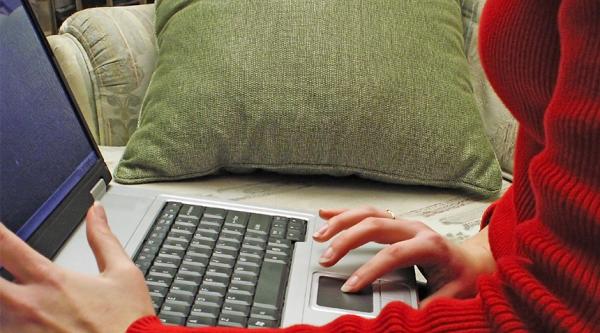
If you use the internet, you might find it easier to use online banking than to visit your bank. Online banking allows you to ‘log in’ to your account by going to your bank’s website or via an app.
Banks that offer online services have ways to make sure your account is as secure as possible and only you (or someone with your permission) can access it. Because of this, you will need to set up a series of passwords or numbers to access your account. The bank might send you a device, such as an individual mini keypad, to use for accessing your bank account with a computer, tablet or smartphone.
These steps can seem confusing or difficult. Talk to your bank if you think you will struggle to remember these passwords or numbers. They may be able to offer touch or facial recognition access methods as an alternative. These use the unique features of your fingerprint or face to give you access.
You can use online banking to do many of the same things you would do by going into your bank. This includes seeing how much money is in your account and what has gone in and out. You can also make payments and manage direct debits and standing orders.
Online banking can also help you check your spending. You can use this, or other online finance apps, to help set budgets to make sure you can afford all the things you need each month.
Online banking might be a good option if you find it hard to get to your bank, if there is no bank branch near you or if you prefer to do things at home. If you think you might find online banking helpful, talk to your bank about how to set it up and keep it secure.
Don’t be disheartened if you struggle with online banking. Many people, even those with experience of using computers and smartphones, don’t use it. This includes people who don’t have dementia.
Telephone banking is another option if you find it hard to get to your bank or you don’t have access to the internet.
Telephone banking allows you to access your account and make payments over the phone. Most banks offer telephone banking and you can do most of the things you can do online.
You will normally have to set up a password, but your bank may be able to offer voice recognition access instead. This uses technology that recognises your voice to give you access to your account.