
 Dementia Support Line
Real stories
Raising awareness of dementia in Black, Asian and other Minority Ethnic communities
Thelma Gray was diagnosed with dementia in the early 90s and found a total lack of support. Her eldest daughter, Barbara, explains how her family’s story is motivating her to raise awareness among Black, Asian and other Minority Ethnic communities.
For the past few years, I have worked constantly to educate people about dementia.
I have delivered Dementia Friends Information Sessions on a bus in Catford to local drivers, to firefighters at Lewisham Fire Station, and to a whole staff team at my local Co-op.
I have also created Dementia Friends Champions amongst council staff and community leaders, who themselves have created hundreds more Dementia Friends.
Importantly, for me, I’ve created around 200 Dementia Friends amongst African and Caribbean communities. This is a legacy of my mother and family’s experience of living with dementia.
Mum’s story
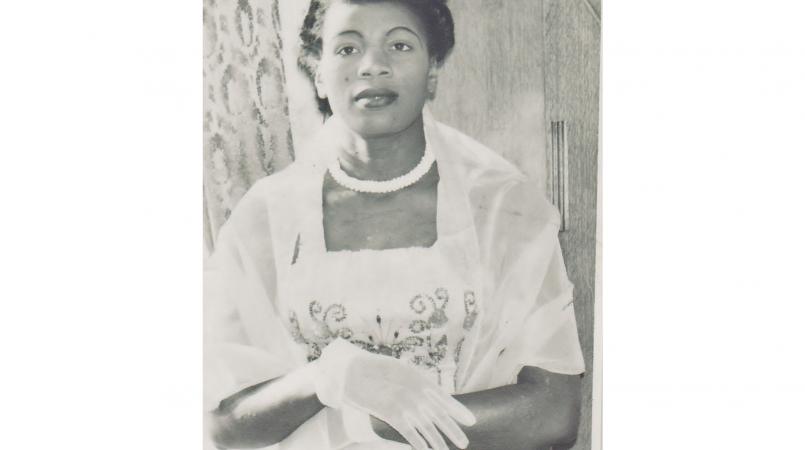
I’m inspired by and in awe of my mother, Thelma Voilima Gray – her sense of adventure, determination, resilience and ambition.
As a single woman, Mum left everything and everyone in Kingston, Jamaica. She flew across the Atlantic in 1954, away from friends and family, to set up a new life on a different continent.
Life in London wasn’t what she expected, and two years later – now married – she put her dreams on hold and focused on her children, of which I’m the oldest. We were everything to her, and she fought to achieve the best in life that we could, despite the barriers we faced.
Mum’s plan was to become a trained hairdresser with her own salon. There was nowhere for stylish women like her, who arrived from the Caribbean, to maintain those glamorous looks.
For a Black woman with a young family, owning a salon was out of the question. So a corner in one of the two rooms we lived in provided the space to run her hairdressing business.
She was popular, and I remember our little space busy with women coming over at the weekend for the latest hairstyles.
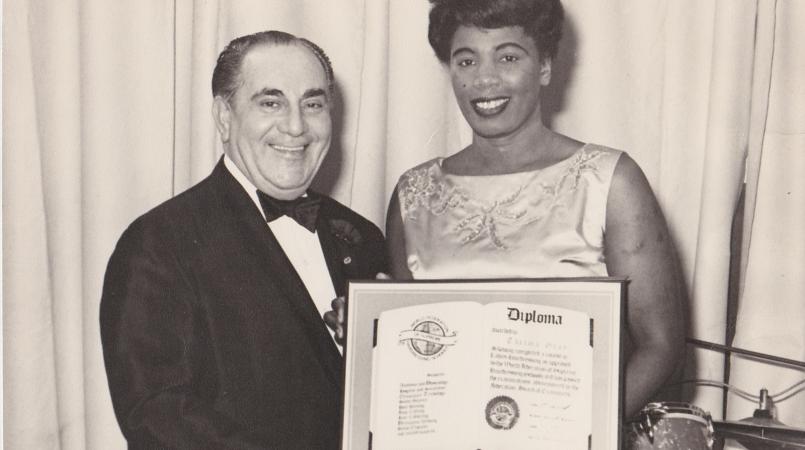
Despite the challenges she faced, Mum became a qualified hair technician and colourist at the prestigious Morris School of Hairdressing. She won competitions and had loyal customers, both black and white women, for many years.
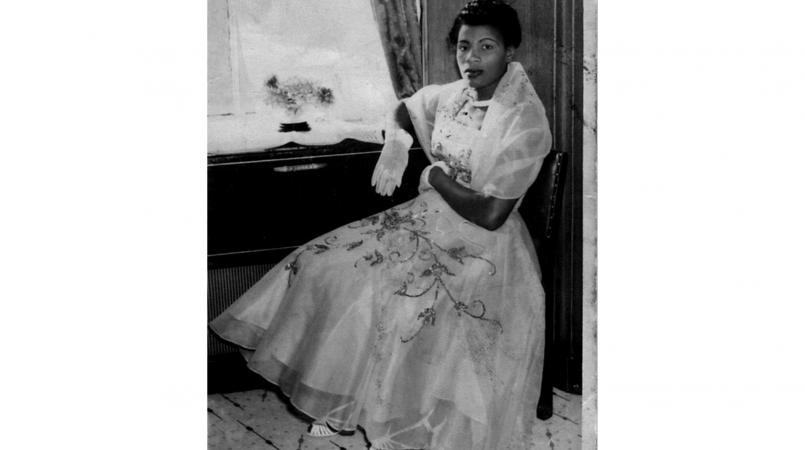
A sudden dementia diagnosis
In 1990 my sister started to notice Mum changing. She seemed more anxious than usual, worrying about things that wouldn’t normally get her flustered. We thought it might have been the menopause.
But then she started to lose keys and get locked out of the house. She just wasn’t herself. Not long after, she was diagnosed with dementia caused by diabetes.
There was no support or explanation, other than it would get worse. We didn’t know what questions to ask or where to go for answers. We were left.
Amongst the Caribbean community that kind of response was the norm. People made the best of the situation using whatever knowledge and resources they had, drawing on old time methods and remedies from “back home”.
By 1994 there was a daily succession of district nurses and carers in and out the house, after the family insisted for help. There were rotas for her adult children and grandchildren to stay daytime, overnight, weekdays and weekends, supported by her friends. Everything was designed to keep her safe, fed and as comfortable as possible. It was hard.
Not many people then knew about dementia, and as a family we were no different. Our employers were not supportive and we were in roles with no autonomy. Time off to care was impossible.
Changing roles from children to carers
The relationship between Mum and us, her children, was changing. In Caribbean households, children – even as 30-year-old adults – obey their parents. Taking control and telling Mum what to do was an unbelievable situation and felt wrong.
My mum had been independent and strong all her life, so the process of transferring control to us was difficult for everyone. We tried different strategies to make her feel she was in control and making choices and decisions.
The carers became more unreliable as Mum became more unwell. Once, I lay upstairs hearing the carer come in, encourage my mum to stay in her nightgown, give her diabetes medication, a herbal tea and leave – all within five minutes. After not eating all night, she needed breakfast to balance the effects of the medication lowering her blood sugar. It was very dangerous and the local authority who commissioned the service was unapologetic.
Family support
About 1998, my sister made the decision that Mum would move in with her.
A clinician and expert told us it would be a big step and she might not live long. They thought moving her from where she was comfortable, familiar, and known by the neighbours and local community would be a shock. Some of the family were also worried about the danger of moving to a house with lots of stairs and coping in a busy family environment.
But something brilliant happened. My sister’s house was full of children, grandchildren, nephews, nieces, and friends who visited frequently.
There was noise and bustle, which turned out to be the best place imaginable for Mum. She thrived in that environment.
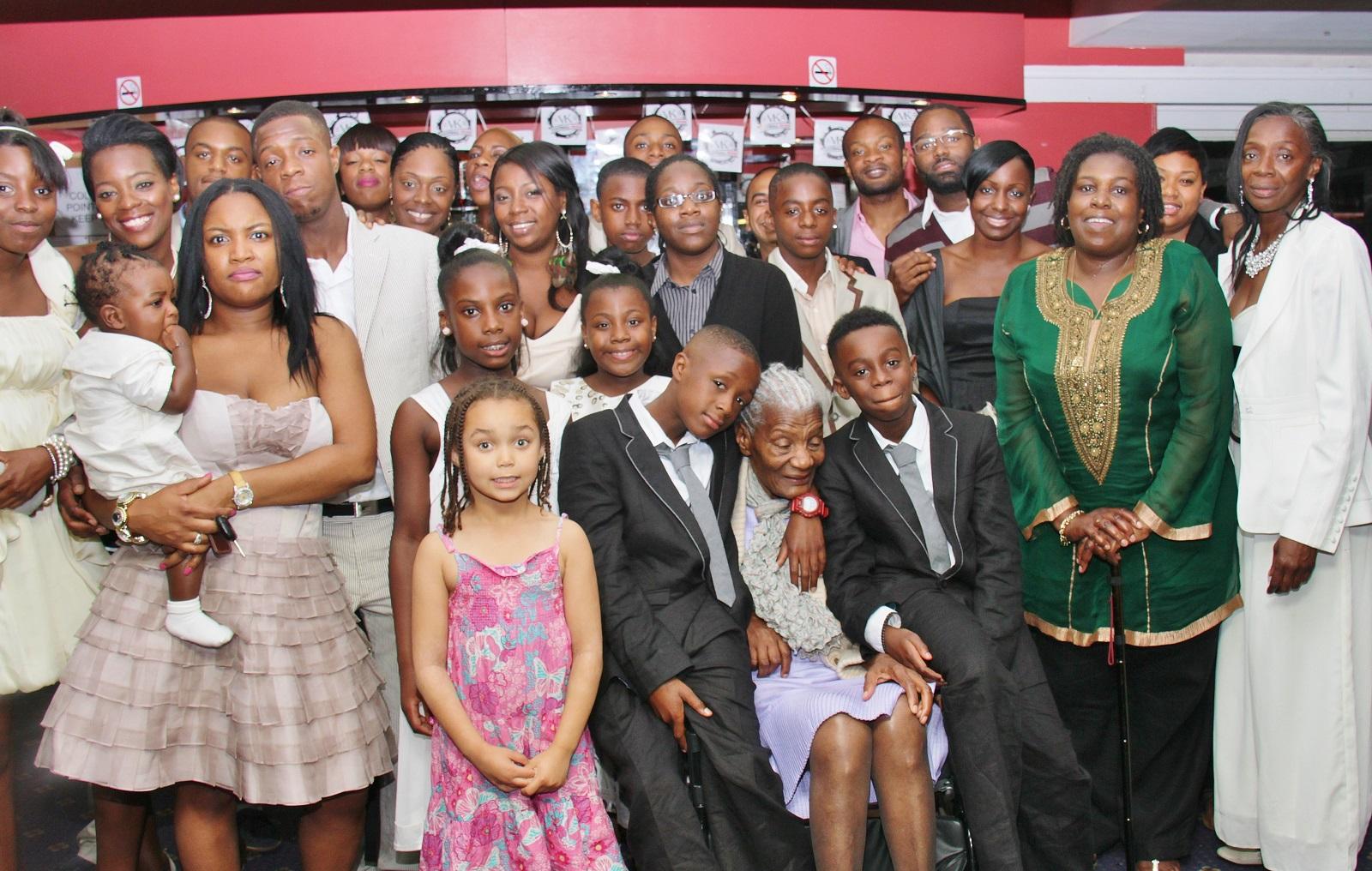
Surrounded by loved ones at a family gathering
The children would help her and she would try to help the children. She adapted to the stairs and she had the freedom to move from room to room. She talked to whoever she came across, though she couldn’t always form the words.
Looking back, I believe she thought she was a young mum with her five children and all their friends and her visitors around her. It doesn’t matter, it’s important for everyone to feel loved. Eventually Mum lost her ability to speak, but occasionally out of nowhere she would say “Thank you” very clearly to my sister.
She knew she was being taken care of.
Eventually, managing Mum’s diabetes became a huge challenge and she was in and out of hospital. Her dementia accelerated until she became bed bound. She passed away at home with her family around her in January 2015.
Mum’s legacy
In the borough of Lewisham, where I live, there was a desire to do more around dementia. It wasn’t intentional but I found myself developing group sessions, creating Dementia Champions amongst Council staff and community leaders.
To date I have created about 200 Dementia Friends amongst Black communities, who really aren’t hard to reach and are keen to understand and access services.
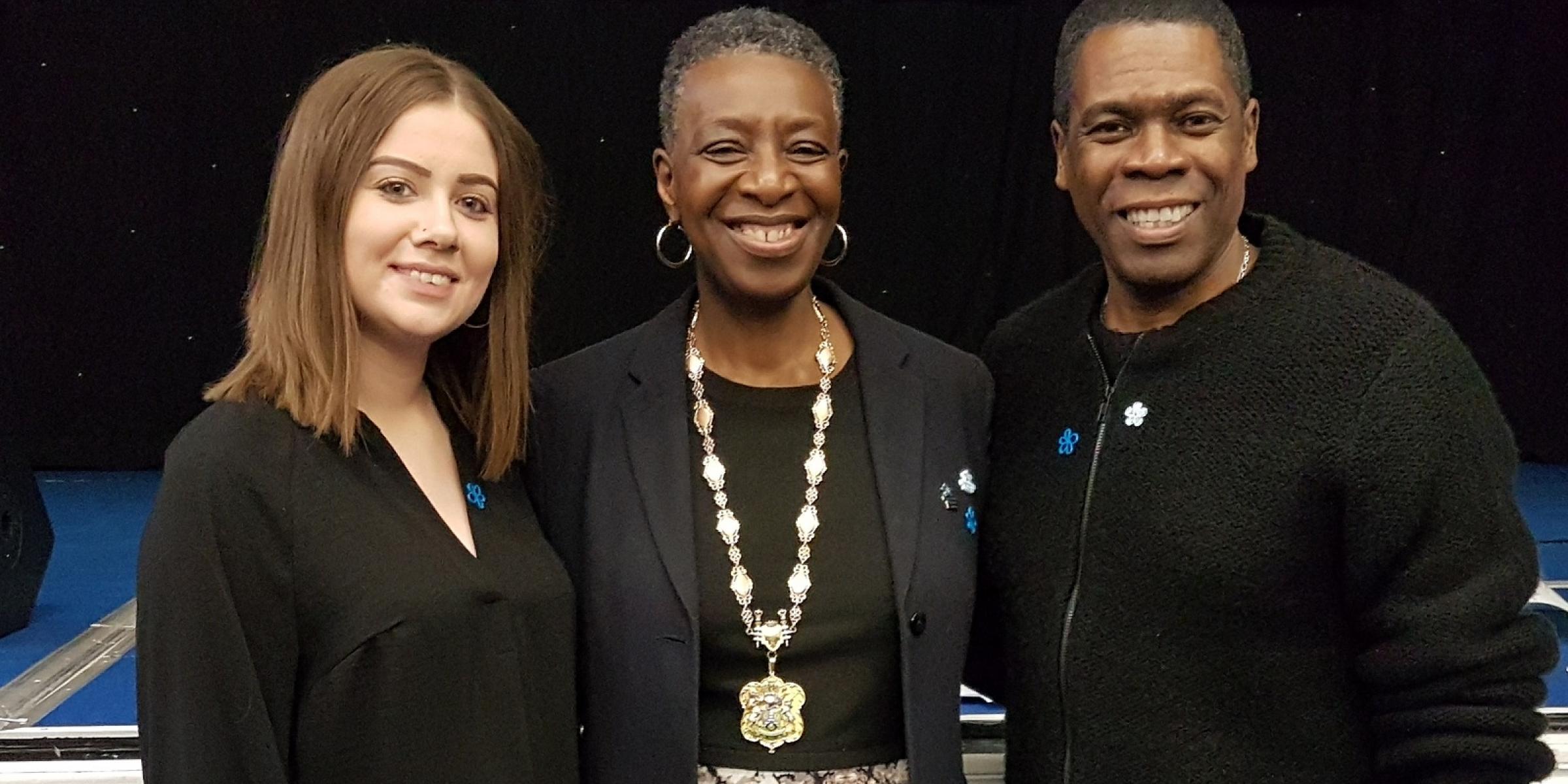
In 2019, I was appointed Mayoress of Lewisham, which was quite unexpected.
I feel my mother Thelma is with me all the time. She equipped me with the skills and sense of responsibility to take forward her legacy of being fair, doing the right thing for people, and enabling the next generation to be the best they can be.
That feeling of hopelessness after Mum was diagnosed will live with me forever.
I realise that, between us, my family instinctively did an amazing job, but it could have been easier with information and support.
My work now is raising awareness amongst Black, Asian and other Minority Ethnic communities, encouraging people to go to their GP for a diagnosis and to lead a healthy lifestyle to reduce the risk of dementia.
Alzheimer’s Society is a great organisation and has made great strides in raising awareness. They have an important role to play to improve equity and reduce race disparity so that all people with dementia can live well. I am sure they will rise to the challenge.
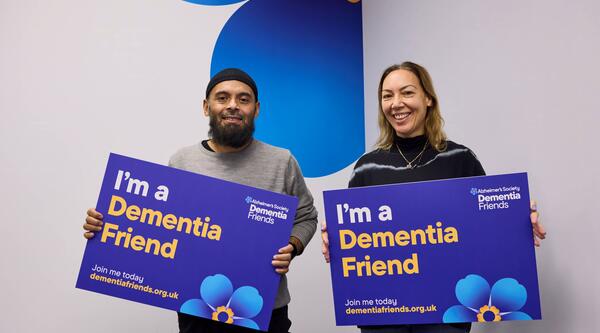
Become a Dementia Friend
Learn more about what it is like to live with dementia and turn that understanding into action in your local community.