

 Dementia Support Line
Real stories
Our GP mistook my husband's dementia symptoms as stress from work
When Anne's husband, Armen was signed off work by his GP, they believed it was due to work-related stress. It was another four years before Armen was finally referred to a Memory Clinic and received his dementia diagnosis, thanks to the persistence of his family, who now care for him.
My husband Armen is 72 years old and we have been together for 39 years.
It took four years to get Armen's dementia diagnosis and it wasn't easy.
The obstacles included me, his wife, knowing nothing about dementia but somehow having a fixed idea of what it 'looked like'; Armen himself who felt fit and healthy, with a profound dislike of consulting health services about anything; and our well-meaning, young GP.
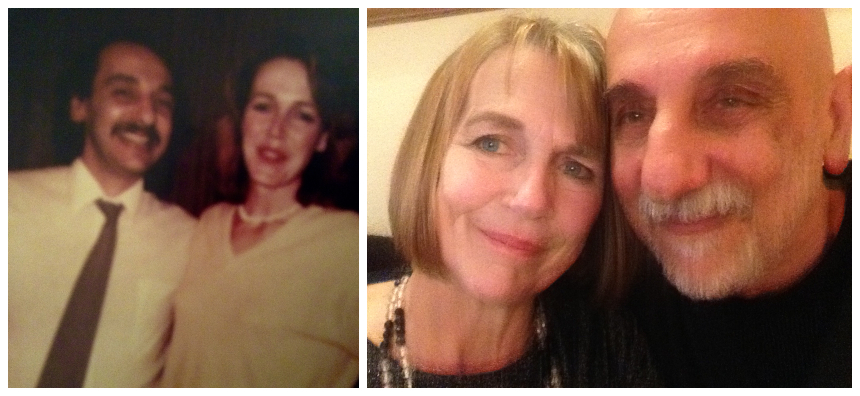
Image caption: Anne and Armen have been together for almost 40 years.
Talking to the GP about struggling with work
In 2014, when Armen and I were both teaching full-time, he first went to the GP as he was no longer coping at work.
Armen was a brilliant maths teacher in a successful comprehensive school. Previously Armen could easily teach all the different elements of various A-Level courses. He used to be proud that other teachers would go to him to help with difficult A-Level questions. However, that was until he was no longer able to do so.
Our GP was clear it was the stress of his work.
Ofsted inspections! A new headteacher! A new Head of Department!
Armen was signed off work, never to return again, apart from one disastrous attempt to go back that he could not cope with at all.
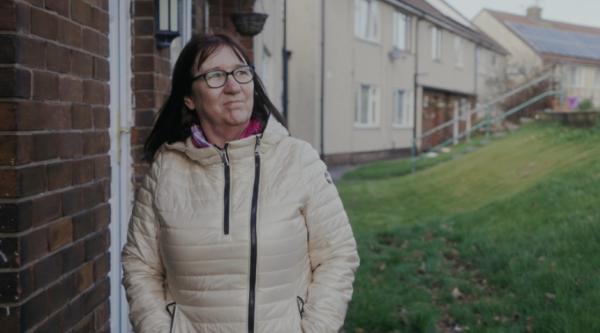
Pushing for more help from the GP
I cannot believe that four years then went by before pushing for further help.
I was still teaching full time to pay the bills but changed jobs to be nearer to home as I was worried about Armen. He was still driving, walking his beloved dog, spending money like water on his credit cards, finding a whole bunch of new pals in a local Ladbrokes.
Then in 2018, the GP finally referred him to the Memory Clinic. It was our adult sons who pushed for this after a disastrous joint appointment when the GP told me, upon noticing I did not look happy, that in every relationship there's usually one person who takes on most of the responsibility and it's usually the woman.
That was unwanted relationship advice from a man young enough to be my son.
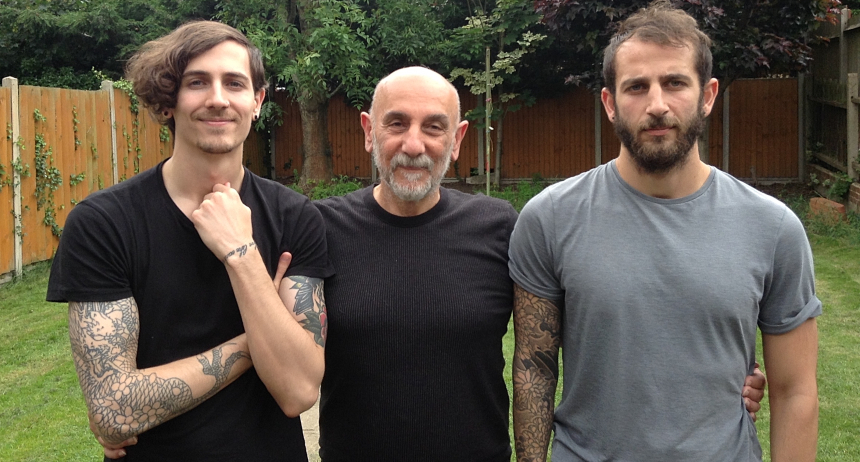
Image caption: Armen pictured with his two sons, Robert and Greg.
Referred to a specialist service for further tests
The Memory Clinic quickly referred Armen to the Neurological Hospital at Queens Square for tests and scans.
Meanwhile, Armen should have had an MRI head scan but he could not cope with it at all on two attempts. Now my big strong husband was claustrophobic and afraid of medical interventions. Finally he managed to have a CT scan with a mild sedative. This fear continues, a recent need to get blood taken was difficult.
Armen's appointment at Queens Square seems surreal. The doctor was very thorough and pragmatic. She offered him his potential diagnosis and said a more clear diagnosis could be reached by a lumbar puncture and MRI scan. Some people would want this, but Armen did not. He asked if there was any cure? Treatment? No.
Living with dementia
Well, here we are four years later. This has been going on for eight years now. It's an enormous struggle.
It feels like Armen has always been a stranger in a foreign land. He was born in Egypt to Armenian parents, went to school in Cairo, then Cyprus. Next to university in Lebanon and finally in London, doing postgraduate studies in Maths.
Armen spoke fluently Armenian, Arabic, French and English. He now speaks only a few words of Armenian.
He's a somewhat lost stranger in the world of his dementia.
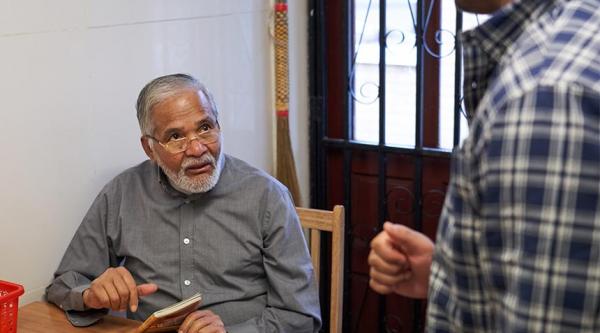
We cannot really go out for walks now as Armen is a bit unsteady on his feet, walks slowly. We go every day to a nearby park by car with our dog, but some days he forgets how to get in the car.
Oh it's not even the same dog, his beloved German Shepherd died in September and he did not really notice. We have an elderly rescue dog now.
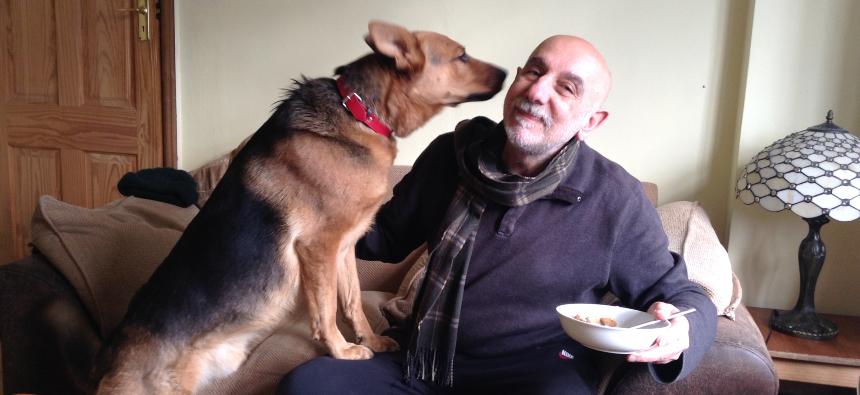
Image caption: Armen with his beloved dog, Red.
Researching additional dementia support
In May, we were offered a package by social care of four hours 'sitting service' but it just did not work out at all.
Why would I want to say yes to a company that has had literally one client to date? When I rang another company, they directly asked if I was seeking a carers role.
Armen is generally still a happy person who nearly always still has a smile on his face, so I guess we are doing something right.
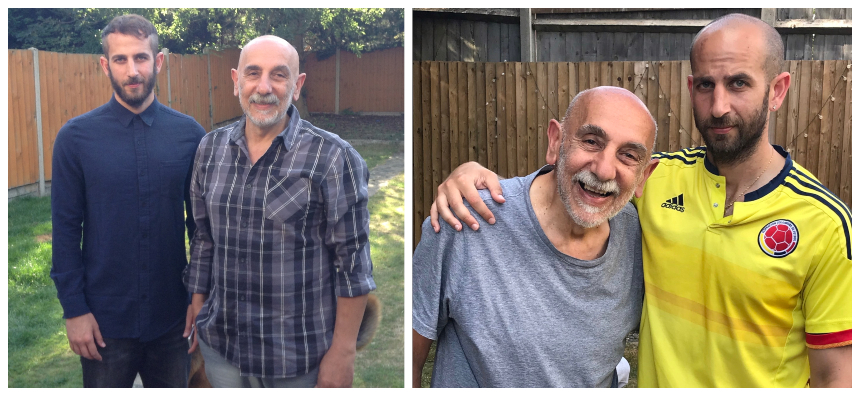
Image caption: Armen is happy and often smiling.
But during the night, Armen is restless. He shouts and jumps out of bed, which can be exhausting.
I hope anyone reading our story will try to get as much help as they can from professionals.
Try to do this before getting too bogged down in day-to-day life that you cannot possibly be prepared for, especially if your daily life involves sleepless nights, incontinence and not having even a few minutes to yourself. Good luck.
Talking to your GP about dementia
Our guidance can help you get the most out of your conversations with the GP. We have a symptoms checklist that you can take with you to help describe the symptoms.